Pixygrid

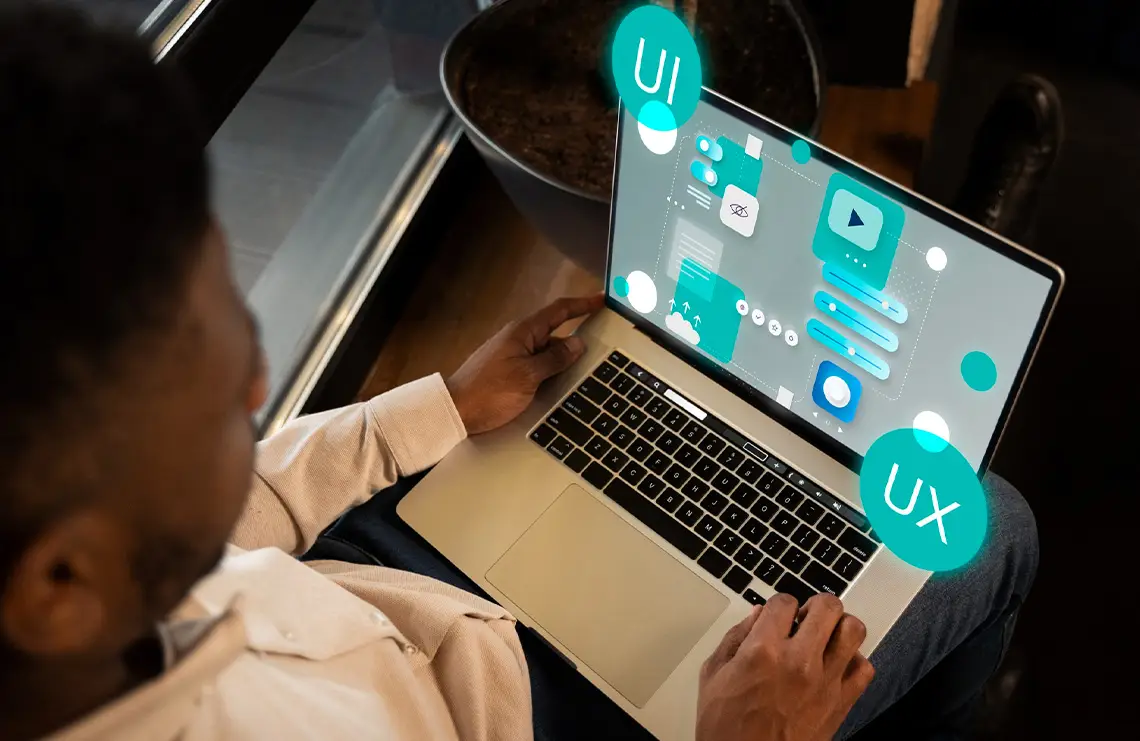
Design is often judged by how it looks. Businesses talk about modern interfaces, clean layouts, and visual appeal. But the real value of UI/UX design is rarely visible at first glance.
Good UI/UX doesn’t announce itself.
It quietly removes friction.
When users struggle to navigate, hesitate before clicking, or abandon a journey halfway through, the issue is rarely content or intent. It’s experience. And experience, when designed thoughtfully, becomes a powerful business advantage.
UI/UX Is About Decision-Making, Not Decoration
Users don’t explore interfaces out of curiosity. They arrive with intent. They want to understand, decide, and move forward with minimal effort. Strong UI/UX design supports this by:
- Clarifying what matters most
- Reducing cognitive load
- Making choices obvious
- Removing unnecessary steps
When interfaces are intuitive, users don’t feel guided. They feel comfortable. That comfort builds confidence, and confidence leads to action.
“Simplicity is the ultimate sophistication.” - Leonardo da Vinci
Bad UX Rarely Gets Complaints. It Gets Abandonment.
One of the most dangerous assumptions in digital products is waiting for feedback to signal problems. Users rarely explain why they leave. They simply do.
Confusing navigation, unclear messaging, slow responses, and inconsistent interactions quietly push users away. The cost shows up later as lower conversions, reduced retention, and declining engagement.
Good UX prevents these exits before they happen.
UX Is a Growth Lever
UI/UX design directly influences business outcomes:
- Conversion rates
- Engagement levels
- Retention and loyalty
- Support and operational costs
When experiences are designed with intent, fewer users get stuck, fewer questions need answering, and fewer decisions feel risky. This efficiency compounds over time, making UX a strategic investment rather than a cosmetic one.
“Good design is good business.” - Thomas Watson Jr.


Design Must Reflect Real User Behaviour
Assumptions are expensive. Behavioural insight is not.
High-performing UX is grounded in how users actually behave, not how teams expect them to behave. Research, audits, testing, and iteration help surface friction points that aren’t obvious in static designs.
When design decisions are informed by real behaviour, experiences become clearer, faster, and more reliable.
UX Is a System, Not a Screen
UX doesn’t live in individual pages or screens. It lives in transitions, flows, and continuity.
From the first interaction to the final action, every touchpoint shapes perception. When these moments are disconnected, users feel it immediately. When they’re aligned, the experience feels effortless.
Strong UX connects intent across the entire journey.
Why UI/UX Is Often Undervalued
UI/UX is often treated as the final layer, added after functionality and content are complete. This limits its impact.
When UX is introduced early, it influences structure, messaging, and logic. When it’s introduced late, it’s forced to fix problems it didn’t create.
Design that thinks is involved from the beginning.
To become a successful graphic designer, practical experience is crucial. Seek internships, freelance opportunities, or entry-level positions to gain hands-on experience in the field. This will allow you to apply your skills in real-world scenarios, understand client requirements, work with deadlines, and collaborate with others in a professional environment.
Conclusion
UI/UX design isn’t a layer applied at the end of a product or website. It’s the foundation that shapes how users understand, trust, and interact with what you build. Every moment of hesitation, confusion, or friction is a silent cost, one that shows up later as lost engagement, lower conversions, or missed opportunities.
When UI/UX is treated as a strategic discipline, the experience changes entirely. Interfaces become clearer, journeys become more intuitive, and decisions feel easier for users. This clarity doesn’t just improve usability, it improves outcomes. Teams spend less time fixing problems, users spend more time moving forward, and products become easier to scale as complexity grows.
Businesses that invest in thoughtful UX don’t rely on persuasion to drive action. They remove the need for it. By aligning design with real user behaviour and intent, they create experiences that feel natural rather than forced. In competitive digital environments, this is no longer a “nice to have”. It’s a decisive advantage.
Similar Blogs

Why Most Digital Marketing Fails Without a Clear System
Digital marketing has never been easier to start...
Read more
Website Design That Converts: What High-Performing Websites Do Differently
A website’s job isn’t to impress. It’s to clarify....
Read more
Social Media Isn’t Just Content: How Brands Build Trust and Growth on Social Platforms
Social media is one of the most misunderstood business channels today...
Read more